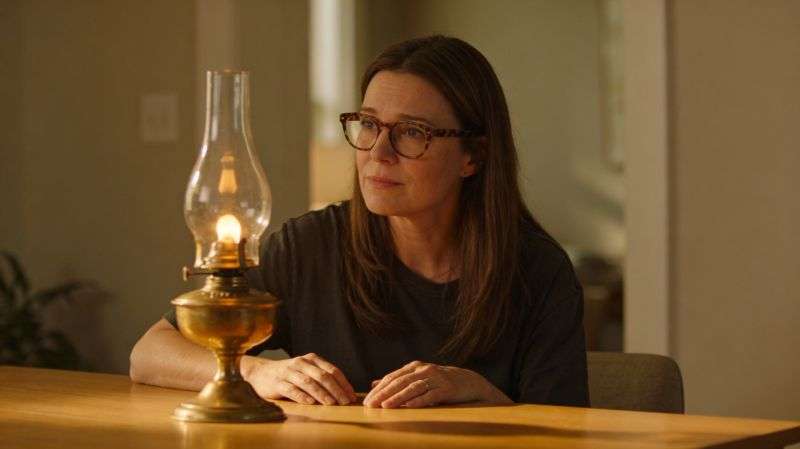
 My grandmother worried about whale oil.
She was concerned that overfishing of whales would negatively impact the ability to provide light to her home.
And then they invented electricity.
I heard that story over and over growing up. Her point wasn’t that everything works out fine. Her point was: nothing stays the same. Things change in unexpected ways. Don’t sweat it. Keep your eyes open and stay on the balls of your feet, ready to pivot.
I thought about her a lot when I was finishing my MBA in the 80s. I asked a software engineer, whether I should learn programming. His advice? Don’t. Figure out what problem you want to solve first. Then figure out what technology can help.
That turned out to be some of the best career advice I ever received. If I’d gone deep into 1980s programming languages, I’d have invested years in skills that are largely obsolete. Instead, I oriented around a problem space and picked up whatever tools served that purpose as they came along.
For most of my 25+ year career in learning and development, I encouraged people to explore this field. Especially young women. You can work from home. The pay is great. There’s room to grow. If you could write, tell a story, or had a background in education or technical writing, I’d tell you to seriously consider it.
I don’t give that advice anymore.
Not because the need for learning has gone away. But generative AI is reshaping the execution layer of this work, and a lot of other knowledge work too. The entry-level roles where people build their craft are compressing fast.
And those roles aren’t just grunt work you endure before the interesting stuff. That’s where you develop the judgment that makes the strategic work possible. Remove the apprenticeship and you eventually hollow out the expertise.
So when someone asks me now, “What career should I train for?” I’ll be honest: I don’t think the specific field matters as much as we pretend it does.
What matters is learning how to create.
Take a sketching class. A cake decorating class. Learn to knit. I’m serious. The underlying moves are the same no matter what you’re making: looking at raw materials and imagining what they could become, iterating when something isn’t working, developing taste, tolerating the messy middle before it comes together.
My grandmother didn’t know what would replace whale oil. My friend didn’t know what technology I’d end up using. They both knew the same thing: orient around problems worth solving, keep creating, and stay ready.
The lamp industry didn’t need better whale oil. It needed electricity.
We don’t need better job titles. We need people who know how to create.