 Is your team prepared to handle curves?
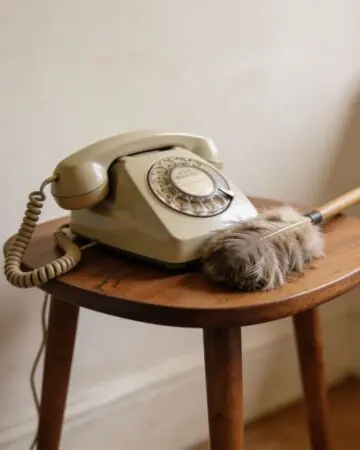
When I was a kid, my family put our house on the market. This meant that on any given evening, the phone could ring, my mother would answer it, hang up, and announce: “The realtor is coming.”
My sister, my brother, and I would fly into action.
Within 20 minutes, the house was tidy, good-smelling, with gleaming sinks and spotless toilets. Somebody may have been humming the Mission Impossible theme. (Maybe I made that up.)
Here’s what nobody did: sit us down for a “change readiness workshop.” Nobody assessed our individual openness to change. Nobody walked us through a change curve.
We just… moved. Together.
And it worked because of what was already in place before the phone ever rang:
- The scouring powder was already under each bathroom sink.
- Each of us already knew our tasks.
- We shouted status updates down the hallway as we worked.
- We treated the whole thing like a game.
This wasn’t a one-time miracle. When my father called to say he was bringing someone home for dinner, we did the same thing — different tasks, same team muscle.
I’ve been reading the research on organizational change readiness lately, and I’m struck by something: most of it targets individuals. Individual attitudes. Individual resistance. Individual assessments. But change doesn’t happen alone. Implementation, as researcher Bryan Weiner puts it, is “a team sport.”
And the scholarly literature is starting to catch up. A 2025 systematic review found that most change readiness frameworks have robust models for the individual level and the organizational level — but almost nothing for the team level. The very place where change actually lives or dies.
Tsedal Neeley at Harvard recently called for organizations to build “change fitness,” the capacity to metabolize significant and ongoing change. I love the concept.
But if we’re only building it in individuals, we’re missing the engine.
What made my family effective wasn’t that each of us was individually ready. It’s that we had a shared understanding of what “good” looked like:
- Clear, differentiated roles
- Resources pre-positioned where we needed them
- Real-time communication (even if it was just yelling down the hall)
- A culture that made the work feel like play
If you wait for the change to arrive before you build your change management strategy, you’ve already lost. Change fitness isn’t a response to disruption. It’s a condition you build before disruption shows up — and you build it in teams, not in individuals.
The phone is going to ring. The question is whether your team already knows what to do when it does.